




FILSPARI® (sparsentan) is indicated for the treatment of adults with primary immunoglobulin A nephropathy (IgAN) with a urine protein excretion ≥1.0 g/day (or urine protein-to-creatinine ratio ≥0.75 g/g)1

About IgAN
IgA nephropathy (IgAN) may cause irreversible kidney damage in your patients4–6
IgAN is a major cause of kidney failure7–9
IgAN is the most common primary glomerulonephritis worldwide.7,8
A systemic disease that results in damage to the kidney, IgAN is a leading cause of CKD and end-stage kidney disease (ESKD) globally7–9
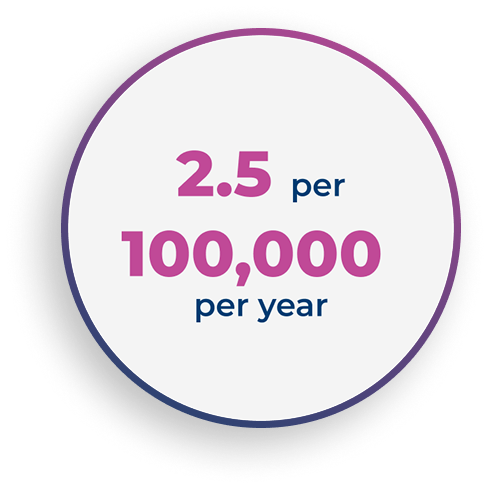
IgAN has a global annual incidence of
2.5 per 100,000 population10

It is most common in people of East Asian ancestry followed by Caucasians8,10

Most patients are diagnosed in their
30s to 40s11–13

Around two-thirds of patients have CKD
stage ≥3 at diagnosis4,14
Patients with IgAN (adult diagnosis) may reach kidney failure at a mean of 49 years4
Retrospective cohort study: real-world evidence from the IgAN cohort of the UK National RaDaR* initiative confirmed that adult patients with IgAN have a high risk of kidney failure4
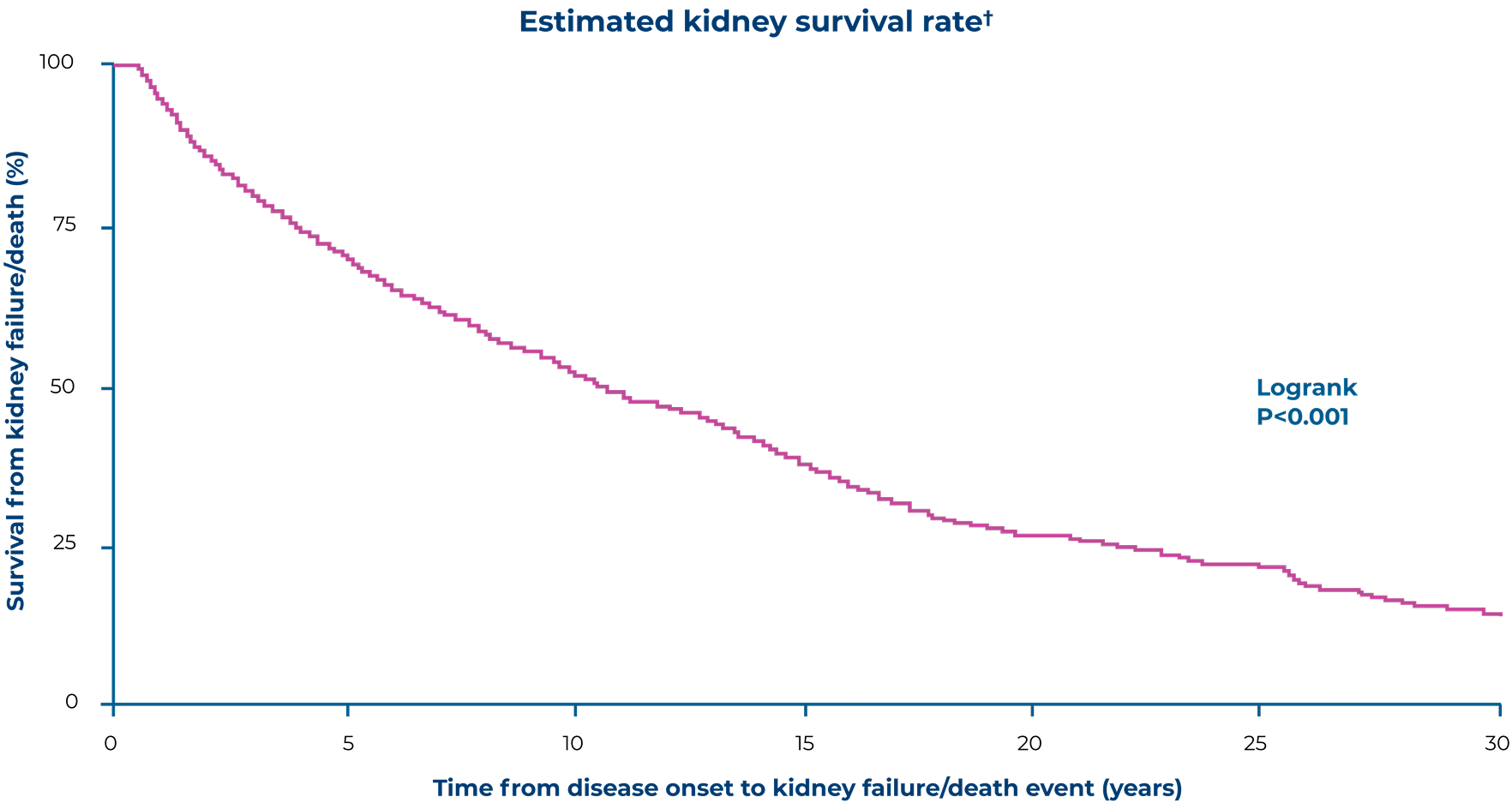
Adapted from Pitcher D, et al. 20234
Patients enrolled had a biopsy-proven diagnosis of IgAN plus proteinuria >0.5 g/day or eGFR <60mL/min/1.73 m2 at any time in the history of their disease4
In the RaDaR cohort of adult patients with IgAN (n=2,299):4

Mean age at diagnosis

Median follow-up time
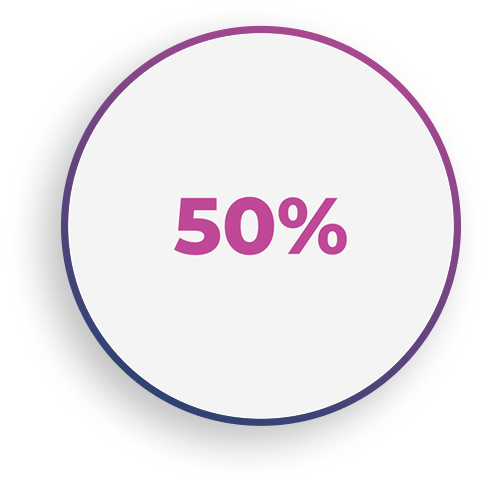
Of patients reached kidney failure or died during
the study period

After diagnosis, most patients progressed to kidney failure within this timeframe
*RaDaR is a UK-based rare kidney disease registry, the IgAN cohort (N=2,439; 2,299 adults and 140 children) had biopsy-proven IgAN with proteinuria >0.5 g/day or eGFR <60 mL/min/1.73 m2 at any time in the history of their disease. Patients had CKD at baseline4
†Kidney survival was defined as the absence of either kidney failure or death4
The KDIGO 2025 guidelines for IgAN updates the management and treatment recommendations15
The KDIGO 2025 guidelines for IgAN emphasise the need to reduce proteinuria in patients15

Patients are considered at risk of progressive loss of kidney function if they have proteinuria ≥0.5 g/day while on or off treatment for IgAN15
Updated kidney biopsy threshold:15
IgAN can only be diagnosed with a kidney biopsy; to ensure early diagnosis and prompt treatment, a kidney biopsy should be considered in all adults with proteinuria ≥0.5 g/day in whom IgAN is a possible diagnosis and kidney biopsy is not contraindicated
Treatment goals in patients with IgAN at risk of progressive loss of kidney function:15

Urine protein excretion should be maintained at <0.5 g/day, and ideally <0.3 g/day*
Reduce the rate of loss of kidney function to <1 mL/min/year for the rest of the patient’s life
The updated guidelines also recommend that the focus of management in most patients should be to simultaneously:15

Prevent or reduce IgA immune complex (IgA-IC) formation and immune complex-mediated glomerular injury

Manage the consequences of existing IgAN-induced nephron loss

KDIGO 2025 treatment targets in IgAN and available to-date approved treatment options15
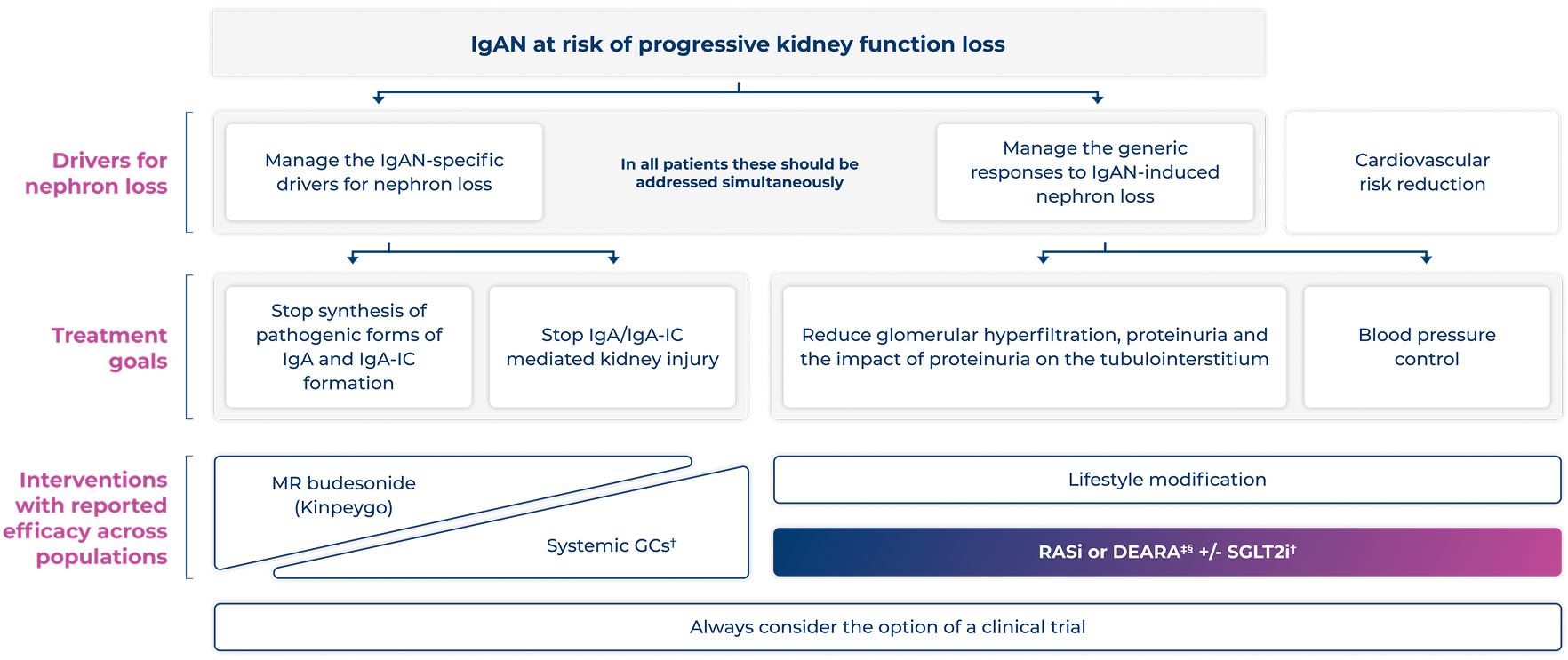
Adapted from KDIGO. 202515
*In some patients with extensive kidney scarring this may not be possible and multiple drugs are likely to be needed to achieve this15
†SGLT2is and systemic GCs are indicated for the treatment of adults with chronic kidney disease
‡FILSPARI is indicated for the treatment of adults with primary IgAN with a UPE ≥1.0 g/day (Or UP/C ≥0.75 g/g)1
§Practice point 1.4.4.3: FILSPARI is a DEARA and should not be prescribed together with RASi15
Two critical pathways are involved in disease progression7,16–18
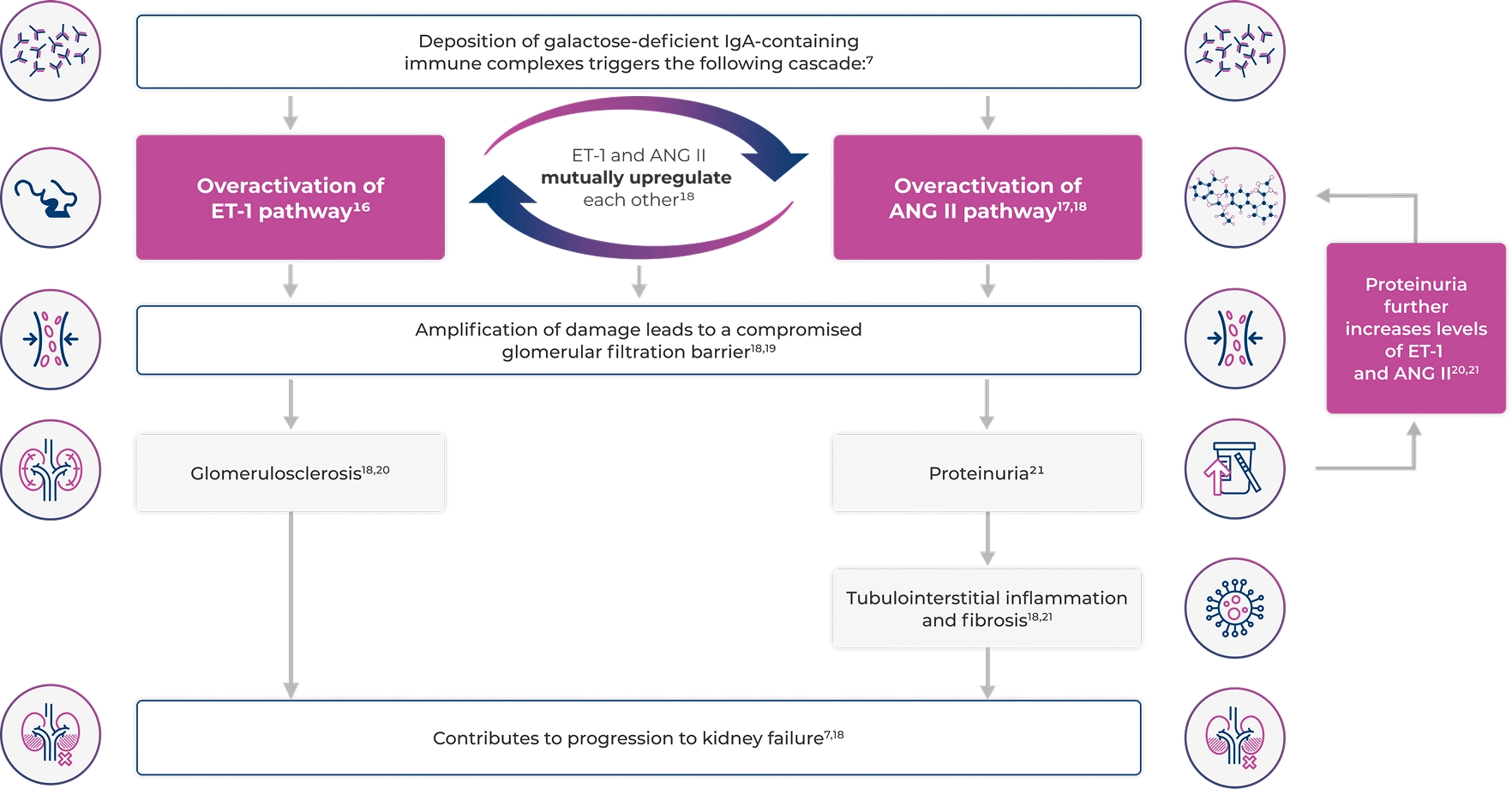
To prevent further nephron loss in IgAN, treatment should address both the CKD and immunological dimensions of IgAN3
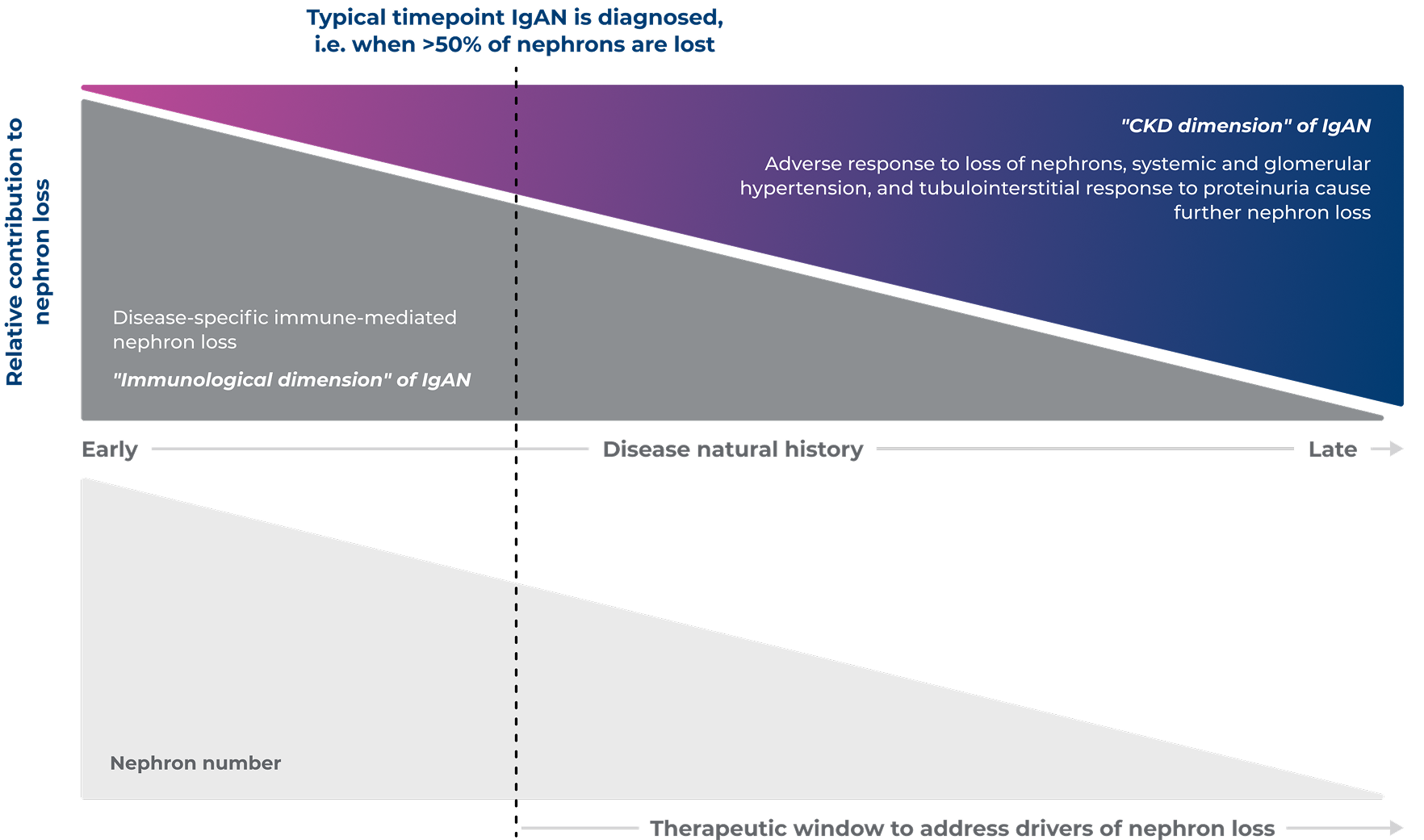
Adapted from Barratt J, et al. 20243
As a DEARA, targeting both endothelin and angiotensin pathways involved in IgAN disease progression, FILSPARI is a foundational treatment in optimised kidney care for IgAN1,3,18

References & footnotes

Abbreviations
ACEi, angiotensin-converting enzyme inhibitor; ANG II, angiotensin II; ARB, angiotensin II receptor blocker; CKD, chronic kidney disease; DEARA, dual endothelin angiotensin receptor antagonist; ECM, extracellular matrix; eGFR, estimated glomerular filtration rate; ESKD, end-stage kidney disease; ET-1, endothelin 1; GC, glucocorticoid; IgA, immunoglobulin A; IgA-IC, immunoglobulin A immune complex; IgAN, immunoglobulin A nephropathy; KDIGO, Kidney Disease: Improving Global Outcomes; MR, modified release; Na, sodium; RaDaR, UK National Registry of Rare Kidney Diseases; RASi, renin-angiotensin system inhibitor; SGLT2i, sodium-glucose co‑transporter-2 inhibitor; UK, United Kingdom.
References
- FILSPARI EU SmPC. Last accessed: November 2026.
- Rovin B, et al. Lancet. 2023;402(10417):2077–90.
- Barratt J, et al. Front Med. 2024;11:1461879.
- Pitcher D, et al. Clin J Am Soc Nephrol. 2023;18(6):727–38.
- Reich HN, et al. J Am Soc Nephrol.2007;18:3177–83.
- ElHafeez SA, et al. Nephrol Dial Transplant. 2024;39(9):1449–60.
- Lai KN, et al. Nat Rev Dis Primers. 2016;2:16001.
- Yeo S, et al. Pediatr Nephrol. 2018;33:763–77.
- Wyatt R, Julian B. N Engl J Med. 2013;368:2402–14.
- McGrogan A, et al. Nephrol Dial Transplant. 2011;26:414–30.
- Nair R, et al. Kidney Int. 2006;69:1455–8.
- Barratt J, Feehally J. J Am Soc Nephrol. 2005;16(7):2088–97.
- O’Shaughnessy MM, et al. Clin J Am Soc Nephrol. 2017;12(4):614–23.
- Caster D, et al. Kidney Int Reports. 2023;8:1792–800.
- Kidney Disease: Improving Global Outcomes (KDIGO) IgAN and IgAV Work Group. Kidney Int. 2025;108(4S):S1−S71.
- Lehrke I, et al. J Am Soc Nephrol. 2001;12(11):2321–9.
- Chan LY, et al. J Am Soc Nephrol. 2005;16(8):2306–17.
- Komers R, Plotkin H. Am J Physiol Regul Integr Comp Physiol. 2016;310:R877‒84.
- Kohan DE, et al. Compr Physiol. 2011;1:883–919.
- Raina R, et al. Kidney Dis. 2020;6:22–34.
- Sharma S, Smyth B. Kidney Blood Press Res. 2021;46:411–20.

FILSPARI is contraindicated during pregnancy. FILSPARI treatment must only be initiated in women of childbearing potential when the absence of pregnancy has been verified. Women of childbearing potential have to use effective contraception during and up to 1 month after treatment has stopped.
▼This medicine is subject to additional monitoring. Adverse events should be reported. Reporting forms and information can be found at http://www.hpra.ie/homepage/about-us/report-an-issue. Adverse events should also be reported to Vifor Fresenius Medical Care Renal Pharma, care of Vifor Pharma Ltd. Tel: +44 1276 853633. E-mail: MedicalInfo_UK@viforpharma.com
Please read the full SmPC prior to administration. Filspari® is a registered trademark.
IE-SPT-2600006 | Date of preparation: November 2026
Efficacy
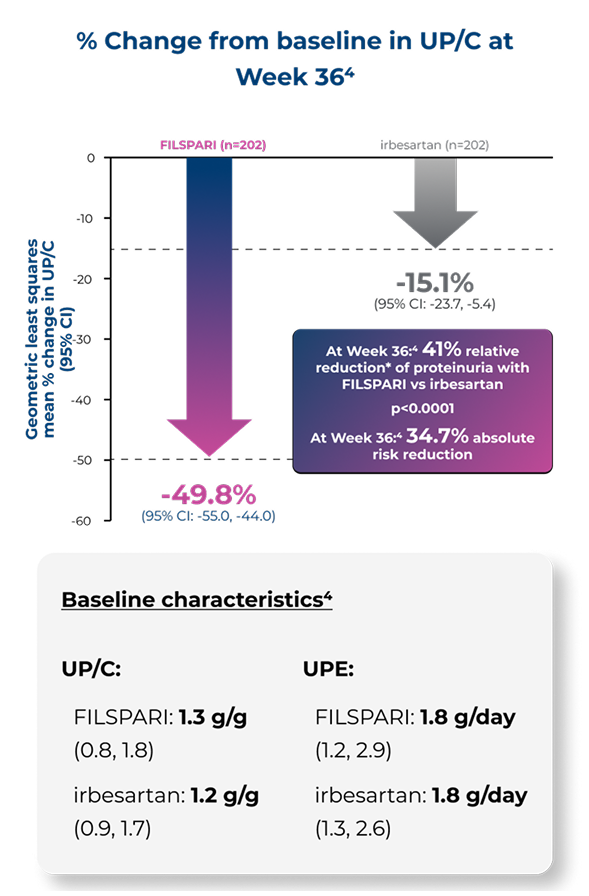
FILSPARI is the only IgAN treatment evaluated head-to-head against irbesartan2,4,5

Significant and superior proteinuria reduction vs irbesartan2,4
Primary endpoint
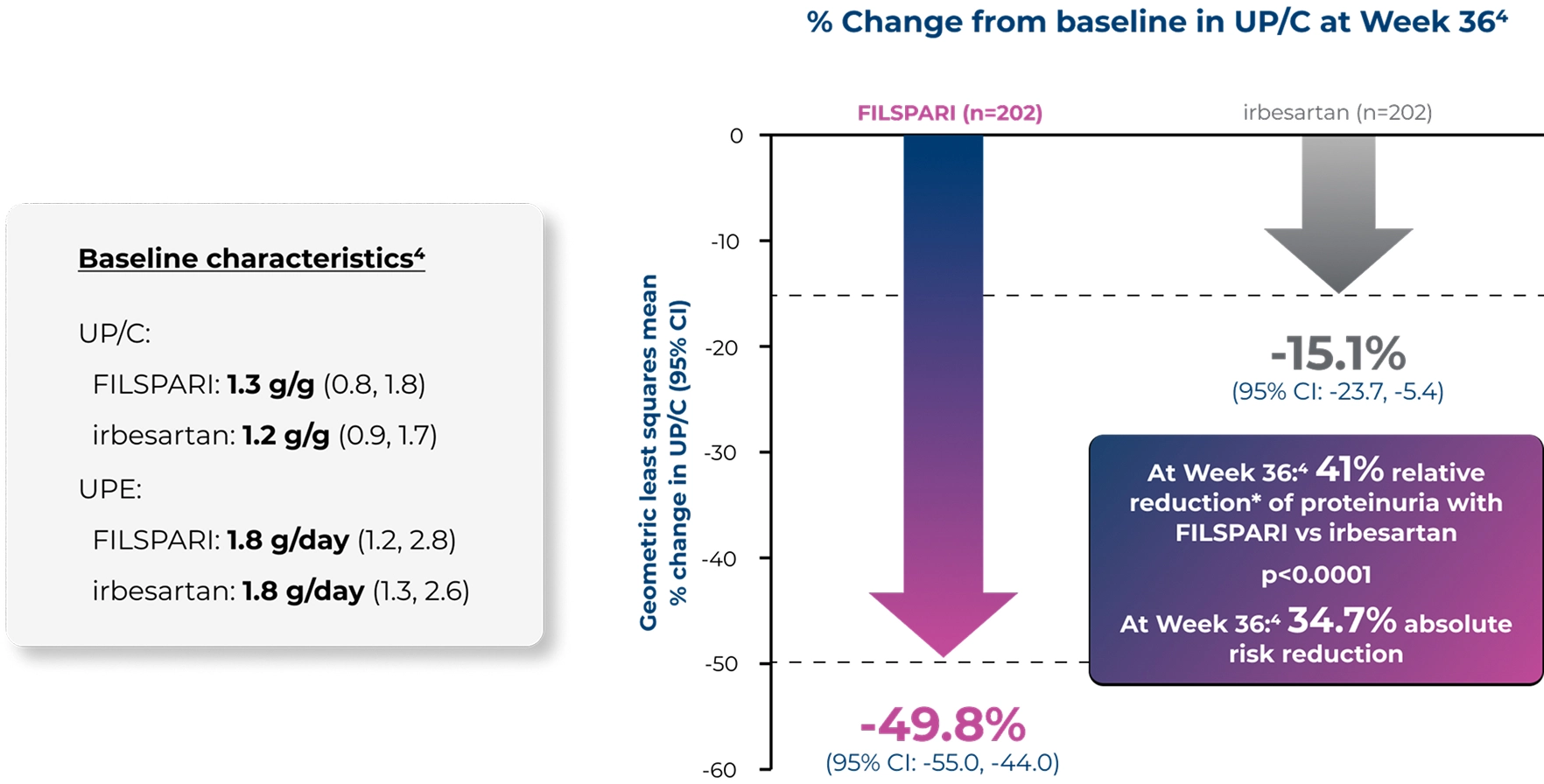
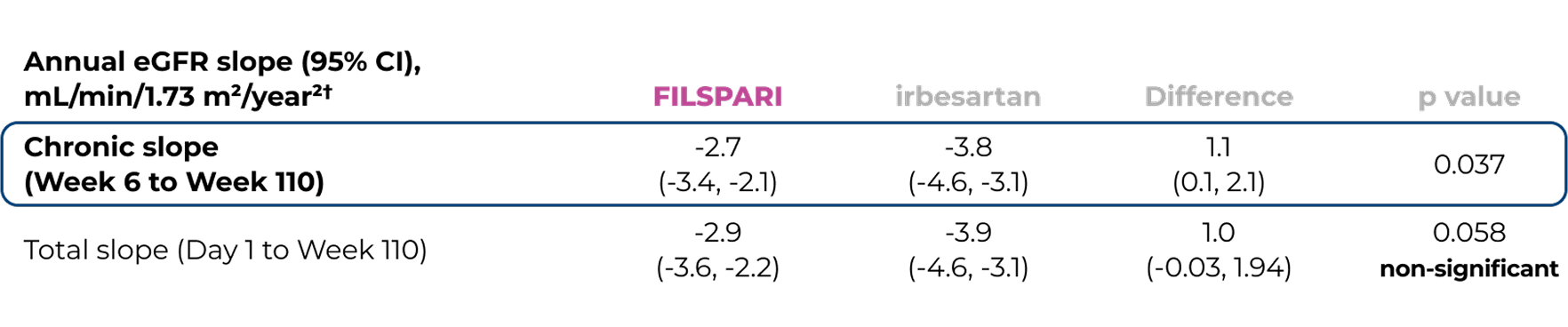
Significantly slower rates of eGFR decline vs irbesartan2*
Secondary endpoint
FILSPARI significantly slowed the rate of eGFR decline vs irbesartan from Week 6 to Week 1102*
eGFR by visit to Week 1142†
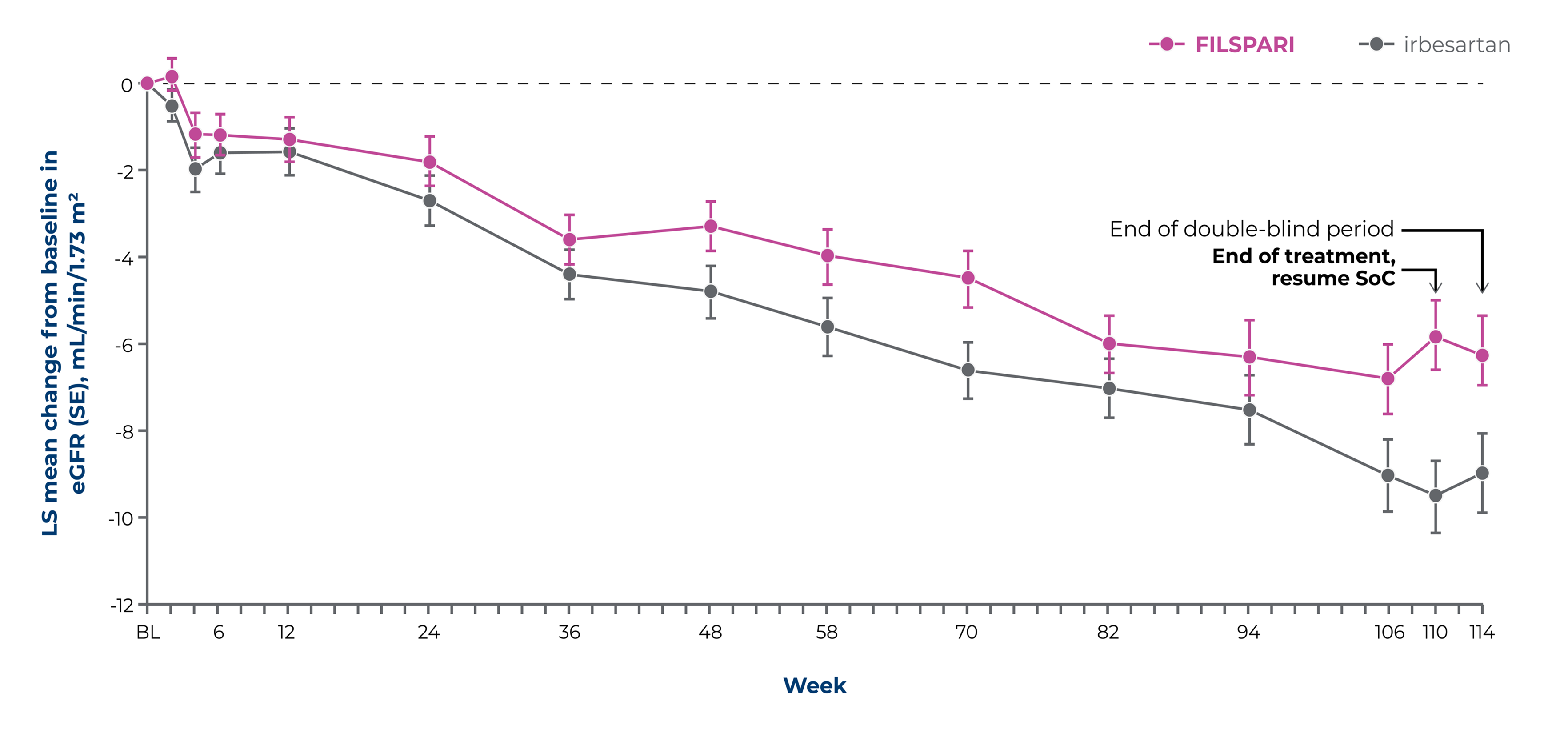
Baseline eGFR, mL/min/1.73 m2, mean (SD): FILSPARI: 56.8 (24.3) irbesartan: 57.1 (23.6)
Adapted from Rovin, et al. 20232
Absolute difference in change in eGFR from baseline to Week 110 was numerically better for FILSPARI vs irbesartan2
Absolute difference in change in eGFR from baseline to Week 110:2
3.7 mL/min/1.73 m2
(95% CI; 1.5, 6.0)
Least squares mean change in eGFR from baseline to Week 110:2

FILSPARI
-5.8
mL/min/1.73 m2
(95% CI; -7.4, -4.2)
VS

irbesartan
-9.5
mL/min/1.73 m2
(95% CI; -11.2, -7.9)
Statistical hypotheses for other prespecified secondary efficacy endpoints were not formally tested under the hierarchical testing procedure because the p value for the eGFR total slope was more than 0.052
Under the hierarchical testing procedure, this study did not formally test the statistical hypotheses for other prespecified secondary efficacy endpoints, as significance was narrowly missed for the eGFR total slope. For these and other efficacy endpoints, nominal 95% CIs are presented2
*Chronic slope2
†Key secondary endpoints included chronic eGFR slope (rate of eGFR change from Week 6 to Week 110) and total eGFR slope (Day 1–Week 110) over the full double-blind treatment period2
References & footnotes
Abbreviations
ACEi, angiotensin-converting enzyme inhibitor; ARB, angiotensin II receptor blocker; AT1, angiotensin II type 1; BL, baseline; BP, blood pressure; CI, confidence interval; eGFR, estimated glomerular filtration rate; ETA, endothelin type A; IgA, immunoglobulin A; IgAN, immunoglobulin A nephropathy; IQR, interquartile range; LS, least-squares; MoA, mechanism of action; OLE, open-label extension; RASi, renin-angiotensin system inhibitor; SD, standard deviation; SE, standard error; SGLT2i, sodium-glucose cotransporter-2 inhibitor; SoC, standard of care; TEAE, treatment-emergent adverse event; UK, United Kingdom; UP/C, urine protein-to-creatinine ratio; UPE, urine protein excretion.
References
- FILSPARI EU SmPC. Last accessed: Novmber 2026.
- Rovin B, et al. Lancet. 2023;402(10417):2077–90.
- Barratt J, et al. Front Med. 2024;11:1461879.
- Heerspink HJL, et al. Lancet. 2023;13. 401(10388):1584–94.
- Campbell KN, et al. Int J Nephrol Renovasc Dis. 2023;16:281–91.
- Rovin B, et al. Lancet. 2023;402(10417):2077–90. [Suppl Appendix].
- PROTECT ClinicalTrials.gov: http://clinicaltrials.gov/ct2/show/NCT03762850. Date accessed: November 2026.
FILSPARI is contraindicated during pregnancy. FILSPARI treatment must only be initiated in women of childbearing potential when the absence of pregnancy has been verified. Women of childbearing potential have to use effective contraception during and up to 1 month after treatment has stopped.
▼This medicine is subject to additional monitoring. Adverse events should be reported. Reporting forms and information can be found at http://www.hpra.ie/homepage/about-us/report-an-issue. Adverse events should also be reported to Vifor Fresenius Medical Care Renal Pharma, care of Vifor Pharma Ltd. Tel: +44 1276 853633. E-mail: MedicalInfo_UK@viforpharma.com
Please read the full SmPC prior to administration. FILSPARI® is a registered trademark.
IE-SPT-2600003 | Date of preparation: November 2026
Safety, dosing and administration
Safety profile of FILSPARI1
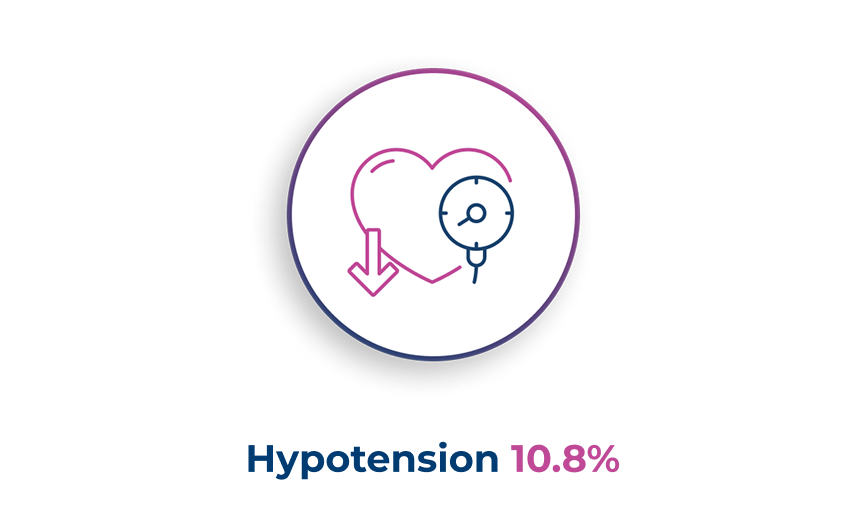


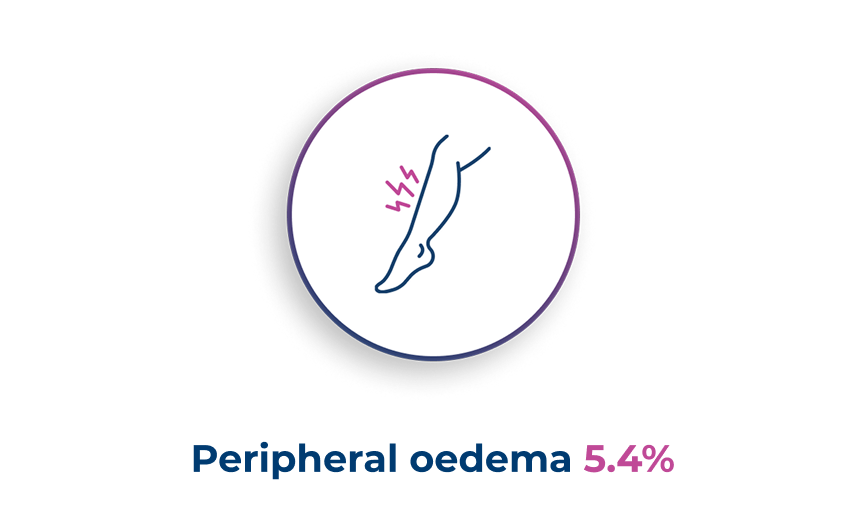
Adverse drug reactions observed during clinical trials1*
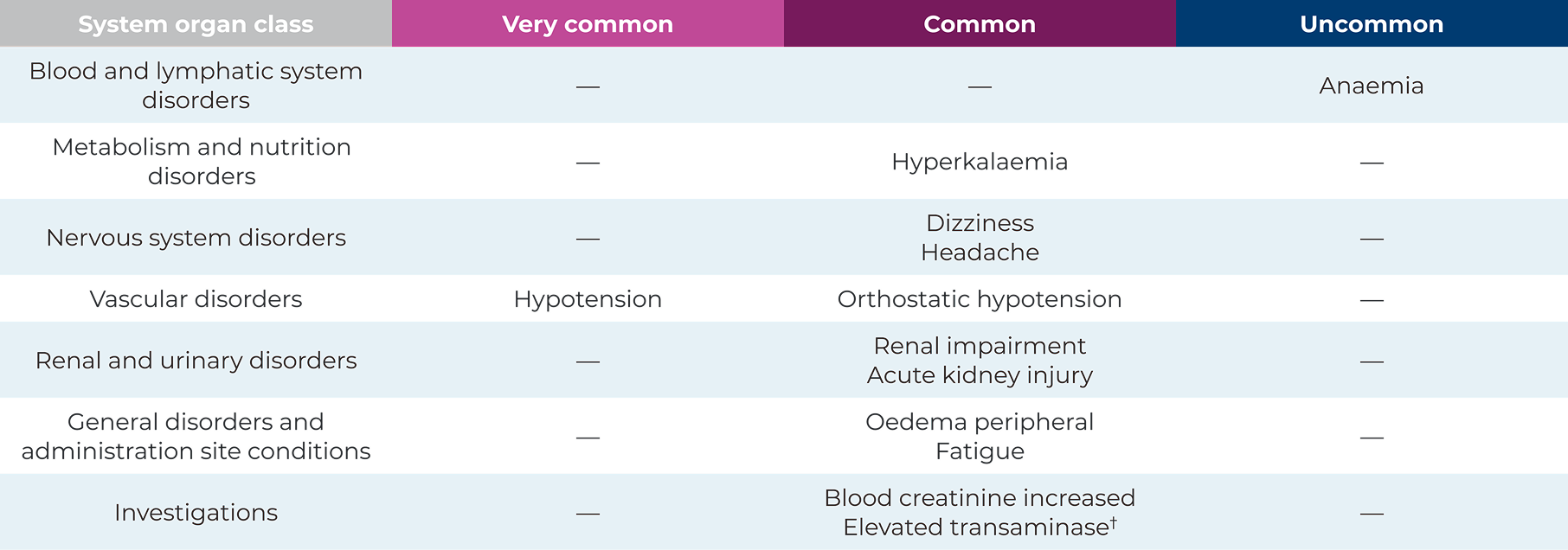
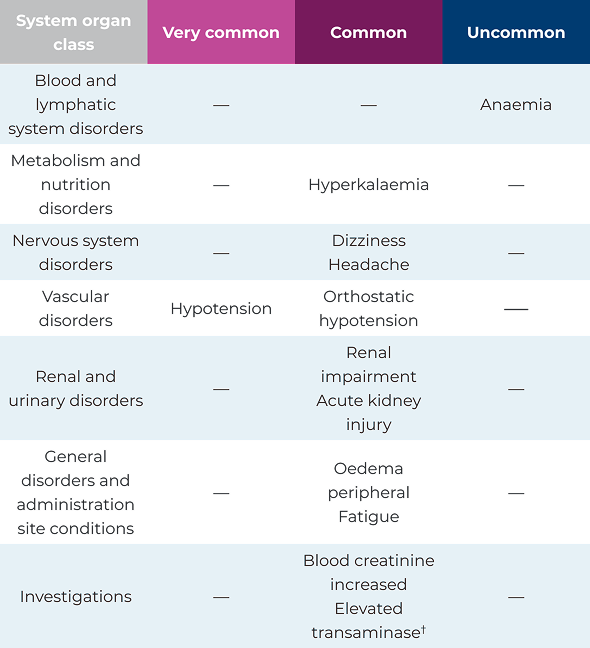
*Elevated transaminase includes preferred terms of alanine aminotransferase increased, aspartate aminotransferase increased, gamma‑glutamyltransferase increased and hepatic enzyme increased1
One tablet, once daily. One molecule addressing two critical pathways involved in disease progression1
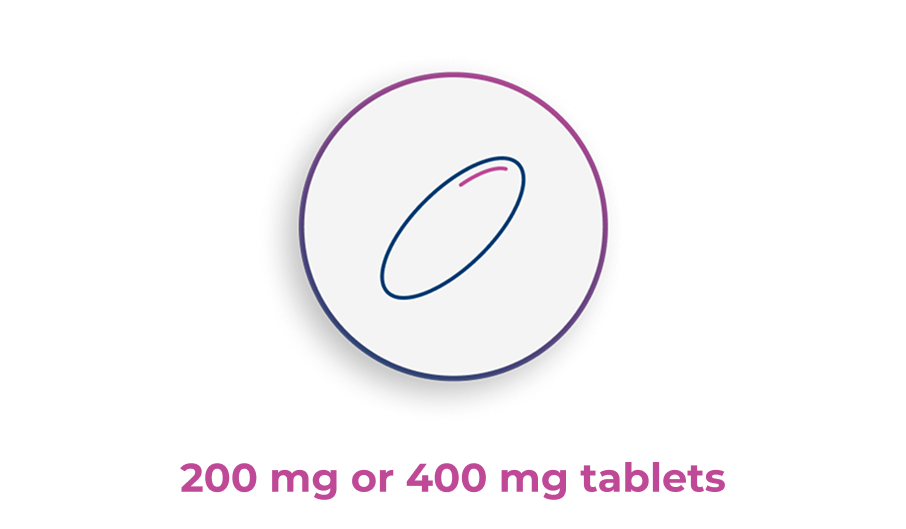

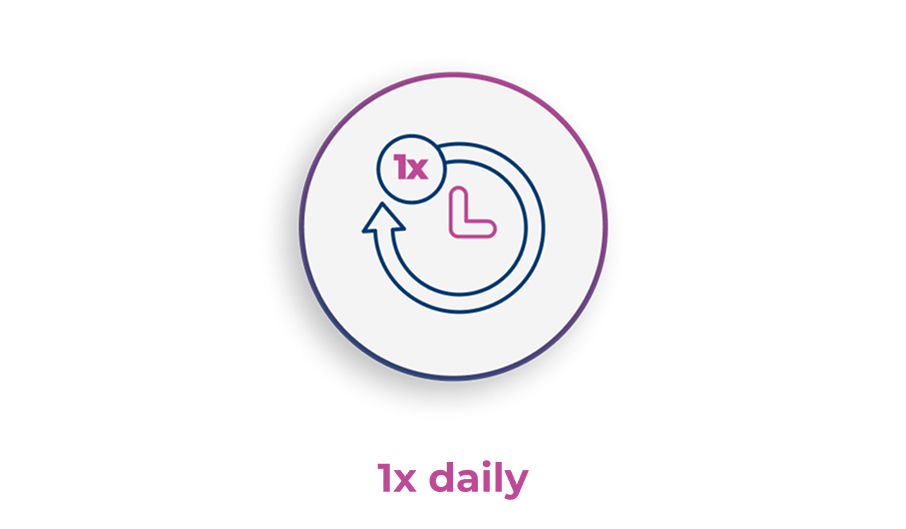

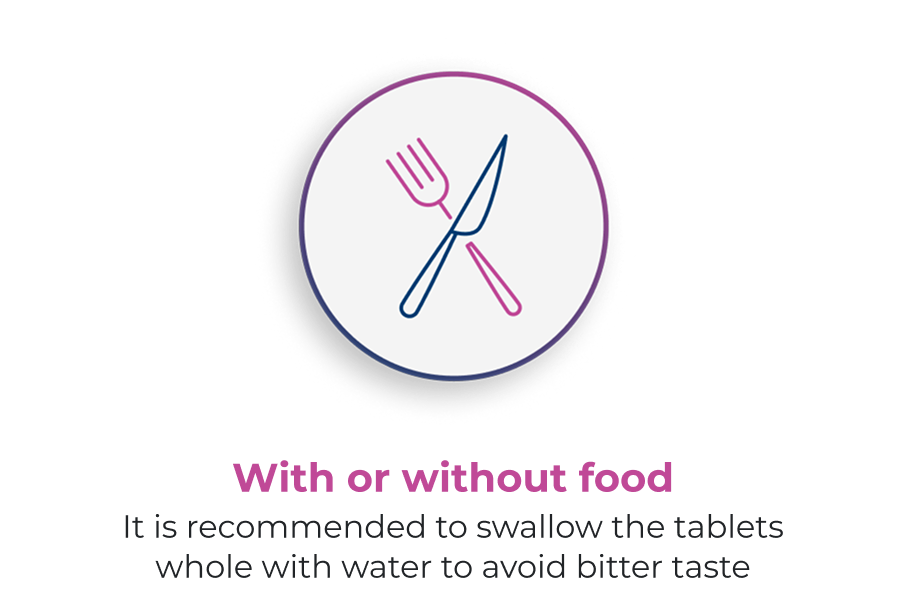

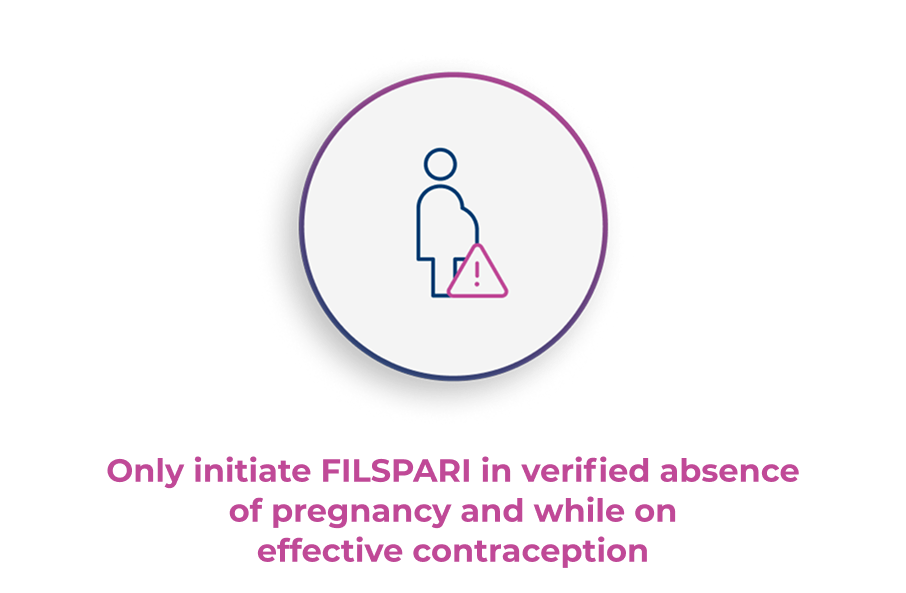

Posology1
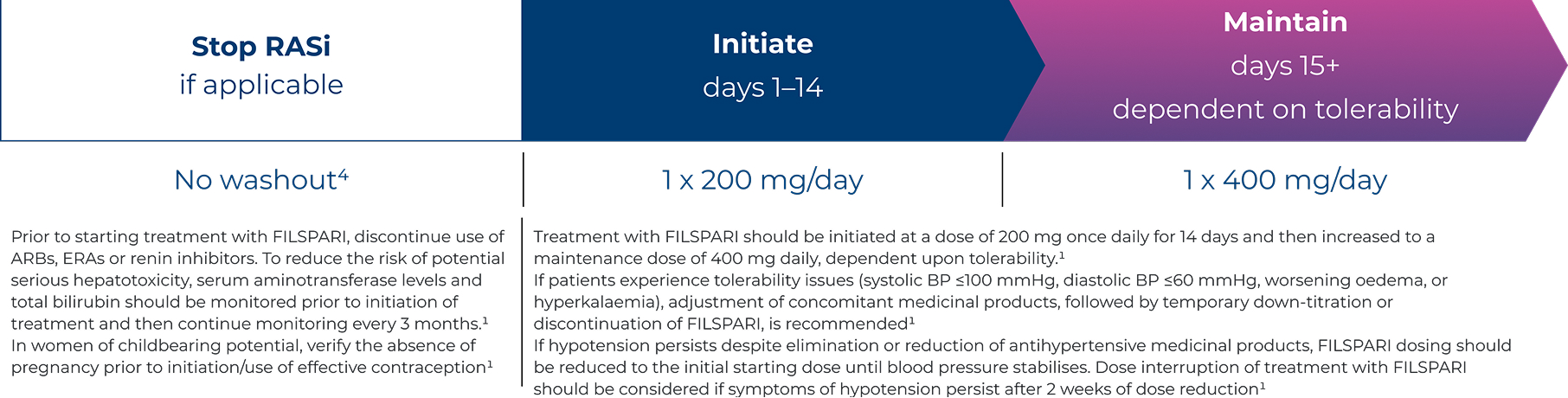
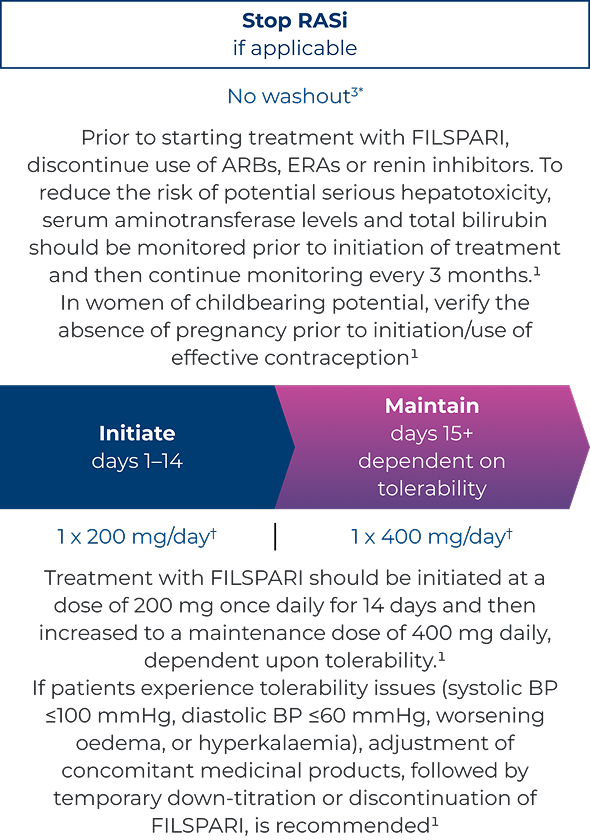
If a dose is missed, the dose should be skipped, and the next dose is to be taken at the regularly scheduled time1
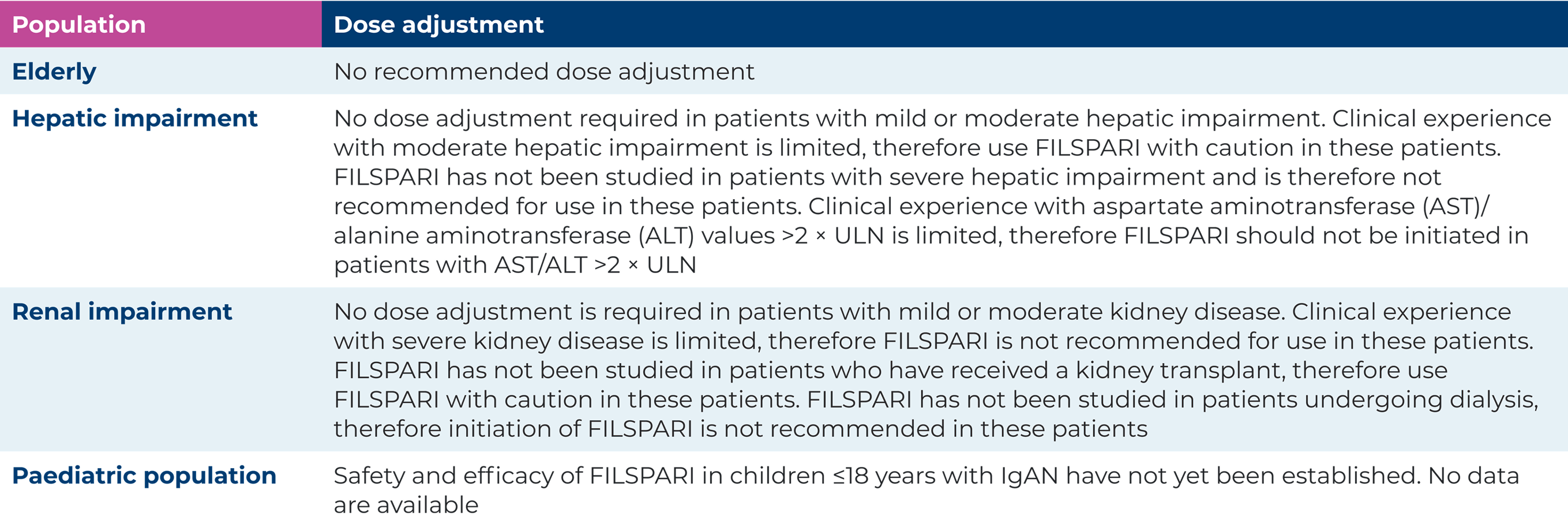
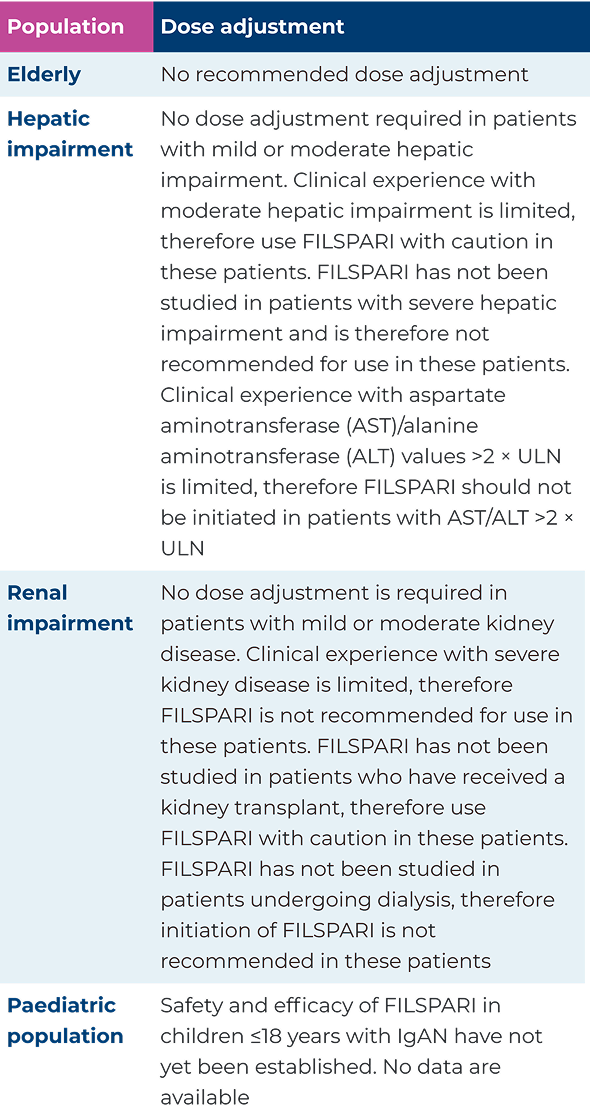
Dose adjustments for special populations1
Contraindications, special warnings and precautions for use1
Contraindications:
- Hypersensitivity to the active substance(s) or to any of the excipients
- Pregnancy
- Coadministration of angiotensin receptor blockers (ARBs), endothelin receptor antagonists (ERAs), or renin inhibitors
When resuming treatment with FILSPARI after interruption, repeating the initial dosing schedule may be considered. Interruption of treatment preceded, or not by dose reduction of FILSPARI, may be considered based on persisting hypotension or changes in liver function.
FILSPARI special warnings and precautions for use

Women of childbearing potential
FILSPARI treatment must only be initiated in women of childbearing potential when the absence of pregnancy has been verified, and effective contraception is practiced. Exclude pregnancy before, during and for 1 month after treatment with FILSPARI has stopped. Women of childbearing potential have to use effective contraception during and up to 1 month after treatment has stopped. There are no or limited amount of data from the use of FILSPARI in pregnant women
Liver function
Elevations in ALT or AST of at least 3 × ULN have been observed with FILSPARI. No concurrent elevations in bilirubin >2 × ULN or cases of liver failure have been observed in FILSPARI treated patients. Therefore, to reduce the risk of potential serious hepatotoxicity, serum aminotransferase levels and total bilirubin should be monitored prior to initiation of treatment and then continuously monitored every 3 months. Patients should be monitored for signs of hepatic injury. Avoid initiation of FILSPARI in patients with elevated aminotransferase (>2 × ULN) prior to drug initiation. Clinical experience with moderate hepatic impairment is limited, therefore FILSPARI should be used with caution in these patients
If patients develop sustained, unexplained, clinically significant ALT and/or AST elevation, or if elevations are accompanied by an increase in bilirubin >2 × ULN, or if ALT and/or AST elevation is accompanied by signs or symptoms of hepatic injury, FILSPARI therapy should be discontinued. Consider re-initiation only when hepatic enzyme levels and bilirubin return to pretreatment values and only in patients without clinical symptoms of hepatotoxicity
Breastfeeding
Physicochemical data suggest excretion of FILSPARI in human milk. A risk to newborns/infants cannot be excluded. FILSPARI should not be used during breastfeeding
Fertility
There are no data on the effects of FILSPARI on human fertility
Hypotension
Hypotension has been associated with the use of RAAS inhibitors, including FILSPARI. Hypotension may occur during treatment with FILSPARI and is reported more frequently in elderly patients. In
patients at risk for hypotension, eliminating or adjusting other antihypertensive medicinal products and maintaining appropriate volume status should be considered. If hypotension develops despite elimination or reduction of other antihypertensive medicinal products, dose reduction or dose interruption of FILSPARI should be considered. A transient hypotensive response is not a contraindication to further dosing of FILSPARI; treatment can be resumed once blood pressure has stabilised. FILSPARI should be used with caution in patients with systolic blood pressure values ≤100 mmHg. FILSPARI should not be uptitrated in patients with systolic blood pressure values ≤100 mmHg
Impaired kidney function
A transient increase in serum creatinine has been associated with RAAS inhibitors, including FILSPARI. A transient increase in serum creatinine may occur, especially when initiating treatment with FILSPARI. Periodic monitoring of serum creatinine and serum potassium levels should be performed in patients at risk. FILSPARI should be used with caution in patients with bilateral renal artery stenosis. Clinical experience in patients with an eGFR <30 mL/min/1.73 m2 is limited, therefore, FILSPARI is not recommended in these patients
Fluid retention
Fluid retention has been associated with medicinal products that antagonise the ETAR, including FILSPARI. Fluid retention may occur during treatment with FILSPARI. If fluid retention develops during treatment with FILSPARI, treatment with diuretics is recommended, or the dose of existing diuretics should be increased before modifying the dose of FILSPARI. Treatment with diuretics can be considered in patients with evidence of fluid retention before treatment initiation with FILSPARI. FILSPARI has not been studied in patients with heart failure, therefore, FILSPARI should be used with caution in patients with heart failure
Dual blockade of RAAS
There is evidence that concomitant use of ACEi, ARBs or aliskiren increases risk of hypotension, hyperkalaemia and decreased renal function. Dual blockade of RAAS through the combined use of ACEi, ARBs (partly a mechanism of FILSPARI) or renin inhibitors is not recommended. If dual blockade therapy is considered necessary, this should only occur under specialist supervision and subject to close monitoring of renal function, electrolytes and blood pressure.
Effects on ability to drive and use machines
FILSPARI may have minor influence on the ability to drive and use machines. No studies on the effects
of FILSPARI on the ability to drive and use machines have been performed. It should, however, be taken into account that dizziness may occur when taking FILSPARI. Patients with dizziness should be advised to refrain from driving or using machines until symptoms have subsided
Hyperkalaemia
Treatment should not be initiated in patients with serum potassium level >5.5 mmol/L. As with other medicinal products that affect the RAAS, hyperkalaemia may occur during treatment with FILSPARI,
especially in the presence of renal impairment and/or heart failure. Close monitoring of serum potassium in patients at risk is recommended. If patients experience clinically significant hyperkalaemia, adjustment of concomitant medicinal products, or temporary down-titration or discontinuation is recommended. If serum potassium level is >5.5 mmol/L discontinuation should be considered
Lactose
Patients with rare hereditary problems of galactose intolerance, total lactase deficiency, or glucose-galactose malabsorption should not take this medicinal product
Sodium
This medicinal product contains less than 1 mmol sodium (23 mg) per tablet, that is to say essentially ‘sodium-free’
Please consult the Summary of Product Characteristics for full safety information before prescribing
References & footnotes
Abbreviations
ALT, alanine aminotransferase; ARB, angiotensin receptor blocker; AST, aspartate aminotransferase; AT1, angiotensin II type 1; BP, blood pressure; eGFR, estiamted glomerular filtration rate; ERA, endothelin receptor antagonist; ETA, endothelin type A; ETAR, endothelin type A receptor; IgA, immunoglobulin A; IgAN, immunoglobulin A nephropathy; K+, potassium; MoA, mechanism of action; RAAS, renin angiotensin aldosterone system; RASi, renin angiotensin system inhibitior; ULN, upper limit of normal
References
- FILSPARI EU SmPC. Last accessed: November 2026.
- Rovin B, et al. Lancet. 2023;402(10417):2077–90.
- Barratt, J, et al. Front. Med. 2024;11:1461879.
- Campbell KN, et al. Int J Nephrol Renovasc Dis. 2023;16:281–91.
FILSPARI is contraindicated during pregnancy. FILSPARI treatment must only be initiated in women of childbearing potential when the absence of pregnancy has been verified. Women of childbearing potential have to use effective contraception during and up to 1 month after treatment has stopped.
▼This medicine is subject to additional monitoring. Adverse events should be reported. Reporting forms and information can be found at http://www.hpra.ie/homepage/about-us/report-an-issue. Adverse events should also be reported to Vifor Fresenius Medical Care Renal Pharma, care of Vifor Pharma Ltd. Tel: +44 1276 853633. E-mail: MedicalInfo_UK@viforpharma.com
Please read the full SmPC prior to administration. FILSPARI® is a registered trademark.
IE-SPT-2600004 | Date of preparation: November 2026
Mechanism of Action
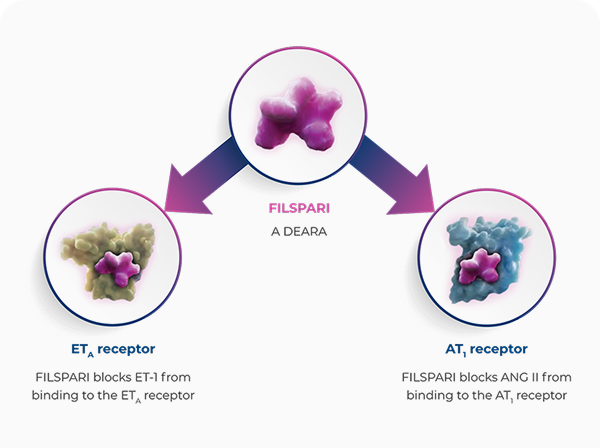
FILSPARI targets two critical pathways involved in IgAN disease progression in one molecule1,4,5
FILSPARI is a DEARA, a dual endothelin angiotensin receptor antagonist, and the first and only single molecule, non-immunosuppressive therapy indicated for patients with primary IgAN to reduce proteinuria1,4,5
FILSPARI targets two critical pathways, the endothelin and angiotensin pathways, involved in IgAN disease progression1,4,5
Endothelin 1, via ETAR, and angiotensin II, via AT1R, mediate processes that lead to IgAN progression through haemodynamic actions, mesangial cell proliferation, increased expression of pro-inflammatory and pro-fibrotic mediators, podocyte injury, and oxidative stress1
References & footnotes
Abbreviations
AT1, angiotensin II type 1; AT1R, angiotensin II type 1 receptor; DEARA, dual endothelin angiotensin receptor antagonist; ETA, endothelin type A; ETAR, endothelin type A receptor; IgA, immunoglobulin A; IgAN, immunoglobulin A nephropathy; MoA, mechanism of action
References
- FILSPARI EU SmPC. Last accessed: November 2026.
- Rovin B, et al. Lancet. 2023;402(10417):2077–90.
- Barratt, J, et al. Front. Med. 2024;11:1461879.
- Campbell KN, et al. Int J Nephrol Renovasc Dis. 2023;16:281–91.
- Syed YY, et al. Drugs. 2023;83(6):563–8.
FILSPARI is contraindicated during pregnancy. FILSPARI treatment must only be initiated in women of childbearing potential when the absence of pregnancy has been verified. Women of childbearing potential have to use effective contraception during and up to 1 month after treatment has stopped.
▼This medicine is subject to additional monitoring. Adverse events should be reported. Reporting forms and information can be found at http://www.hpra.ie/homepage/about-us/report-an-issue. Adverse events should also be reported to Vifor Fresenius Medical Care Renal Pharma, care of Vifor Pharma Ltd. Tel: +44 1276 853633. E-mail: MedicalInfo_UK@viforpharma.com
Please read the full SmPC prior to administration. FILSPARI® is a registered trademark.
IE-SPT-2600005 | Date of preparation: November 2026
Resources







References & footnotes
Abbreviations
GN, glomerulonephritis; IgAN, immunoglobulin A nephropathy; KDIGO, Kidney Disease: Improving Global Outcomes, UKKW, United Kingdom Kidney Week.
References
- FILSPARI EU SmPC. Last accessed: November 2026.
- Barratt J, et al. Kidney Int Rep. 2023;8(5):1043–1056.
- Rovin B, et al. Lancet. 2023;402(10417):2077–90.
FILSPARI is contraindicated during pregnancy. FILSPARI treatment must only be initiated in women of childbearing potential when the absence of pregnancy has been verified. Women of childbearing potential have to use effective contraception during and up to 1 month after treatment has stopped.
▼This medicine is subject to additional monitoring. Adverse events should be reported. Reporting forms and information can be found at http://www.hpra.ie/homepage/about-us/report-an-issue. Adverse events should also be reported to Vifor Fresenius Medical Care Renal Pharma, care of Vifor Pharma Ltd. Tel: +44 1276 853633. E-mail: MedicalInfo_UK@viforpharma.com
Please read the full SmPC prior to administration. Filspari® is a registered trademark.
IE-SPT-2600012 | Date of preparation: November 2026
▼This medicine is subject to additional monitoring. Adverse events should be reported. Reporting forms and information can be found at http://www.hpra.ie/homepage/about-us/report-an-issue. Adverse events should also be reported to Vifor Fresenius Medical Care Renal Pharma, care of Vifor Pharma Ltd. Tel: +44 1276 853633. E-mail: MedicalInfo_UK@viforpharma.com